There's no single best probiotic for gut health, because the effects depend on the exact strain and on the problem you want to address. The American Gastroenterological Association found too little evidence to recommend probiotics for most digestive conditions, and NCCIH notes that what one strain does says little about another. For everyday gut health, Cleveland Clinic starts with fiber, fermented foods, exercise, sleep and stress, not capsules.
What's actually in a gut health supplement
Most products sold for gut health combine up to three kinds of ingredients:
- Probiotics: live microorganisms, most often Lactobacillus or Bifidobacterium bacteria, or yeasts such as Saccharomyces boulardii (NCCIH).
- Prebiotics: fermentable fibers such as inulin, which Cleveland Clinic describes as food for the microbes already living in your gut.
- Botanicals: herbs and extracts, often packed into a proprietary blend whose individual amounts aren't listed.
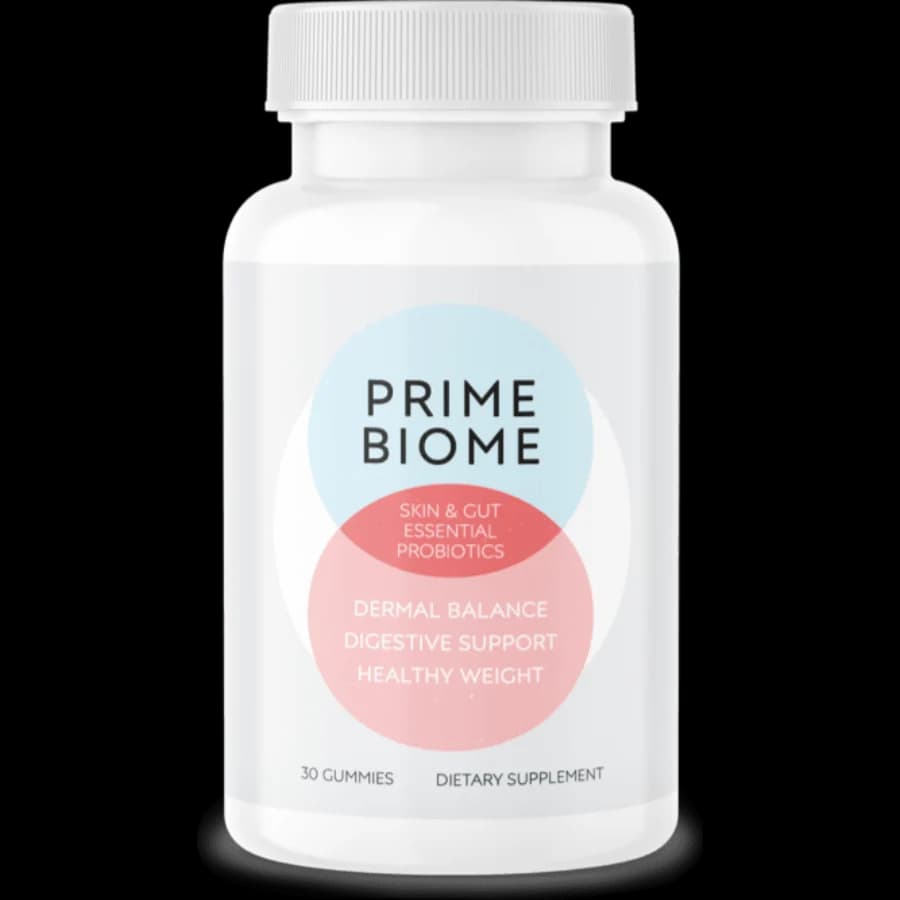
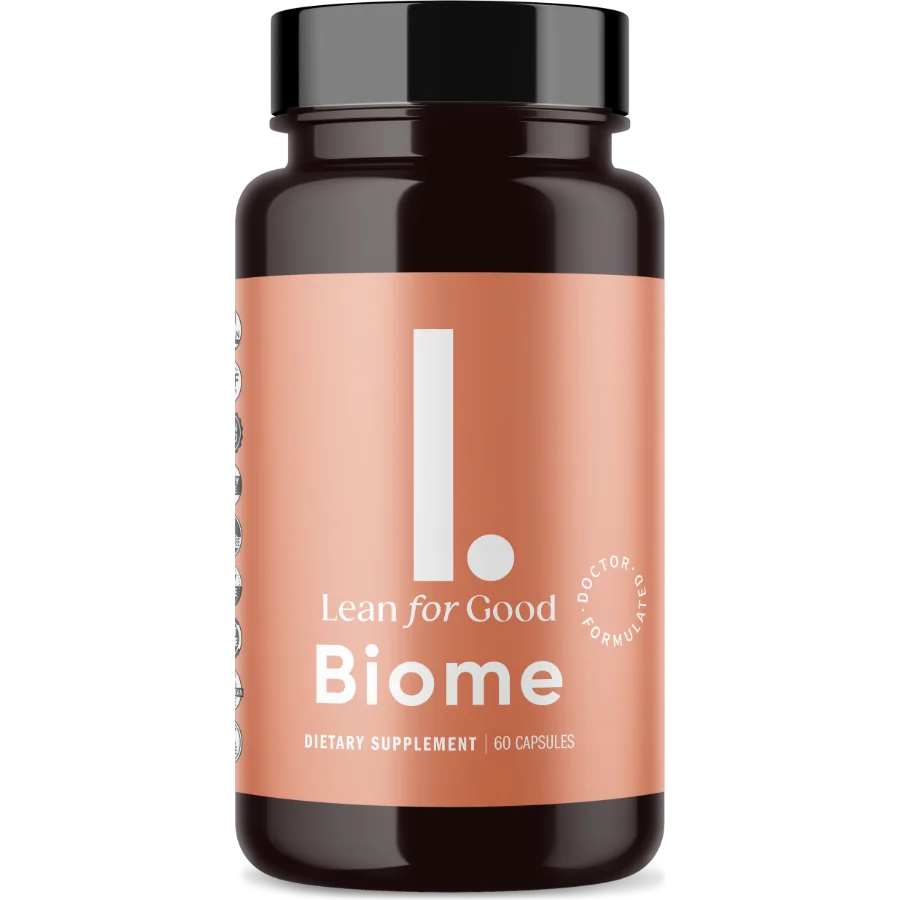
Both products we've reviewed in this category use all three, and neither is sold purely as a digestive product. PrimeBiome's label calls it "Skin & Gut Essential Probiotics," and its seller markets it for the skin-gut connection, digestion and a healthy weight. LeanBiome's seller markets it for weight loss through what it calls "lean bacteria." That doesn't make either a bad choice, but it tells you the claims you're reading are aimed at goals beyond digestion.
What the evidence supports
The most useful single document here is the 2020 guideline from the American Gastroenterological Association (AGA). It found that evidence for treating digestive diseases with probiotics is largely lacking and identified only three situations where current data suggest a benefit: preventing a serious bowel condition (necrotizing enterocolitis) in preterm, low-birthweight infants; preventing C. difficile infection in adults and children taking antibiotics; and managing pouchitis after surgery for ulcerative colitis.
For C. difficile treatment, Crohn's disease, ulcerative colitis and irritable bowel syndrome, the AGA patient guidance says there isn't enough evidence to recommend probiotics, and it advises against them for children with acute gastroenteritis. Where the evidence is missing, the guideline points out, supplements cost money without proof of benefit or of no harm.
Two more findings matter for anyone shopping by symptom:
- Bloating. A 2023 AGA clinical practice update states plainly that probiotics are not recommended for treating bloating or distention. It recommends looking for causes such as lactose or fructose intolerance, celiac disease and small intestinal bacterial overgrowth.
- Strain specificity. The AGA says probiotic effects are strain- and combination-specific rather than species-specific, and NCCIH makes the same point: if one Lactobacillus strain helps, that doesn't mean another will.
On broader claims such as mood, metabolism and immunity, Cleveland Clinic says the work is still under active research and there isn't enough evidence yet to draw solid conclusions. The same caution applies to weight: its dietitian says there's little scientific evidence that probiotics support weight loss.
Prebiotic fiber: useful, but start slowly
Both formulas include inulin from chicory root: LeanBiome lists 200 mg, and PrimeBiome includes it in a 430 mg blend without a separate amount. Cleveland Clinic lists chicory root, asparagus, garlic, onions and leeks as food sources of inulin and notes that whole foods add vitamins, minerals and antioxidants a supplement won't. Its advice is to introduce prebiotics gradually to avoid gas and bloating, and it notes that people with IBS may have trouble digesting some prebiotic foods.
How to read a probiotic label
- Group, species and strain. The AGA says the label should give all three. PrimeBiome lists Bacillus coagulans; LeanBiome lists nine species. Neither label shows strain codes. For contrast, the label of Nagano Tonic, a powder we review in another category, gives strain designations such as L. acidophilus LA85. LeanBiome's seller cites a study on one specific L. gasseri strain, but the label names only the species.
- CFU at the use-by date. The AGA also says the label should state how many organisms will still be alive on the use-by date. PrimeBiome lists 500 million CFU per gummy. LeanBiome lists 20 billion CFU per two-capsule serving: 10 billion from L. gasseri and 5 billion from L. rhamnosus individually, with seven more strains pooled at 5 billion. Check the bottle for whether the count is guaranteed through the use-by date.
- Proprietary blends. FDA rules require only the blend's total weight. PrimeBiome's nine botanicals share a 430 mg blend; LeanBiome pools seven strains in a 10 mg blend but lists every other ingredient separately.
- The whole serving. PrimeBiome is a gummy made with glucose syrup and sucrose, with 1 g of sugars per gummy (less than 1 g added). LeanBiome is two delayed-release capsules a day.
- Label versus bottle. NCCIH notes that some probiotic products have been found to contain microorganisms other than those listed on the label, and Cleveland Clinic points out that manufacturers don't have to prove the quality or contents of their probiotics.
Red flags
- Disease claims. A product sold with the claim that it treats IBS, colitis or another disease is being marketed as a drug under FDA rules, and the AGA notes that no probiotic product has so far been approved by FDA to treat or prevent a specific condition.
- Approval wording. PrimeBiome's label says its facility is FDA-registered, while its FAQ describes the facility as approved. Registration does not constitute approval; our explainer on why FDA registration is not FDA approval covers the difference.
- Format mismatches. The official PrimeBiome label describes a gummy, yet our search checks turned up a "Prime Biome Capsules" listing at Walmart and look-alike gummies sold under a different brand on Amazon. If the format or brand line doesn't match the official label, don't assume it's the same product.
- Spam dressed as reviews. When we checked Google results for LeanBiome reviews in September 2026, every organic result on the first page was a page hosted on a cloud file-storage service, headlined as a review or complaint roundup, and the AI summary above them linked a PDF on an unrelated university site as the "official website."
- The CFU arms race. A bigger number on the front of the box isn't evidence of benefit when effects depend on the strain.
PrimeBiome vs LeanBiome at a glance
| Product | Format | Daily serving | Guarantee | Notable label facts | Sold via |
|---|---|---|---|---|---|
| PrimeBiome | Gummies, 30 per bottle | 1 gummy about 30 minutes before a morning or afternoon meal, with a full glass of water | 60 days from delivery; return all bottles at your own shipping cost | Bacillus coagulans 500 million CFU plus a 430 mg blend of inulin, babchi, fennel, fenugreek, ginger, lemon balm, lion's mane, slippery elm and dandelion leaf | Official site, Digistore24 checkout |
| LeanBiome | Delayed-release capsules | 2 capsules in the morning before breakfast, with water | 180 days from order date; only unopened bottles need to go back | 9 strains, 20 billion CFU; inulin 200 mg; green tea phytosome 300 mg; Sphaeranthus indicus 300 mg; Garcinia mangostana 100 mg | Official site, ClickBank checkout |
This is a comparison of labels, not a ranking; we haven't tested either product. On paper, LeanBiome has the longer refund window and the more itemized label, and it lists forty times as many CFU per daily serving (which, as above, isn't a measure of benefit by itself). PrimeBiome is a single-species gummy built around its botanical blend. Neither label tells you whether its strains match the research its seller points to, so read the reviews before choosing, along with how ClickBank and Digistore24 refunds work.
Who should check with a doctor first
- People with a weakened immune system or a serious illness. NCCIH says the risk of harmful effects is greater in these groups and that anyone with a serious underlying condition should be monitored closely while taking probiotics.
- Parents. The AGA advises asking your child's doctor before giving probiotics, and NCCIH reports severe infections in premature infants given them.
- Older adults and anyone on regular medicines. The AGA says probiotics may not suit some seniors and that some can interact with medicines.
- Anyone with ongoing symptoms. Cleveland Clinic advises seeing a provider for testing and treatment if you have digestive problems, abdominal pain or constipation with intense cramps.
- People who have had liver problems, if considering LeanBiome. Its label includes a 300 mg green tea extract, and NCCIH reports rare liver injury linked to green tea extracts.
Our gut health reviews
- PrimeBiome review: the gummy sold for the skin-gut connection, checked against its Supplement Facts label.
- LeanBiome review: the nine-strain capsule marketed for weight, with the longest guarantee of the two.
If weight is your real goal, our weight-loss supplement guide compares the wider field, and probiotics sold for teeth and gums have their own dental probiotics guide. You'll find everything else we cover in the gut and digestion category.
Sources
Checked on September 30, 2026. Product facts come from each manufacturer's official pages, linked in the individual reviews.
- American Gastroenterological Association: AGA does not recommend the use of probiotics for most digestive conditions
- AGA GI Patient Center: Probiotics
- American Gastroenterological Association: Clinical practice update on belching, bloating and distention
- NCCIH: Probiotics: Usefulness and Safety
- Cleveland Clinic: Probiotics: What They Are, Benefits & Side Effects
- Cleveland Clinic: What You Should Know About Your Gut Health
- Cleveland Clinic: What Are Prebiotics and What Do They Do?
- Cleveland Clinic: How Probiotics Support Healthy Weight Loss
- FDA: Questions and Answers on Dietary Supplements
- NCCIH: Green Tea: Usefulness and Safety