No supplement has been shown to produce meaningful weight loss on its own, and none replaces changes to what you eat and how much you move. The independent evidence for the most popular ingredients is thin: NCCIH says green tea's catechins and caffeine may have a modest effect on body weight, and Cleveland Clinic finds little evidence for probiotics. Of the medicines FDA has approved for weight management, only orlistat (Alli) is sold without a prescription (NIDDK).
Supplement or medicine: know which one you're buying
Everything sold for weight loss falls into one of two legal categories. Medicines such as orlistat, semaglutide (Wegovy) and tirzepatide (Zepbound) were reviewed by FDA for safety and effectiveness before sale. NIDDK lists six approved for long-term weight management and says they work best when combined with a lifestyle program.
Capsules, powders, gummies and coffee add-ins are dietary supplements. FDA doesn't have the authority to approve supplements before they're marketed. The company is responsible for the product's safety and labeling, and anything sold with a claim that it treats a disease is legally a drug.
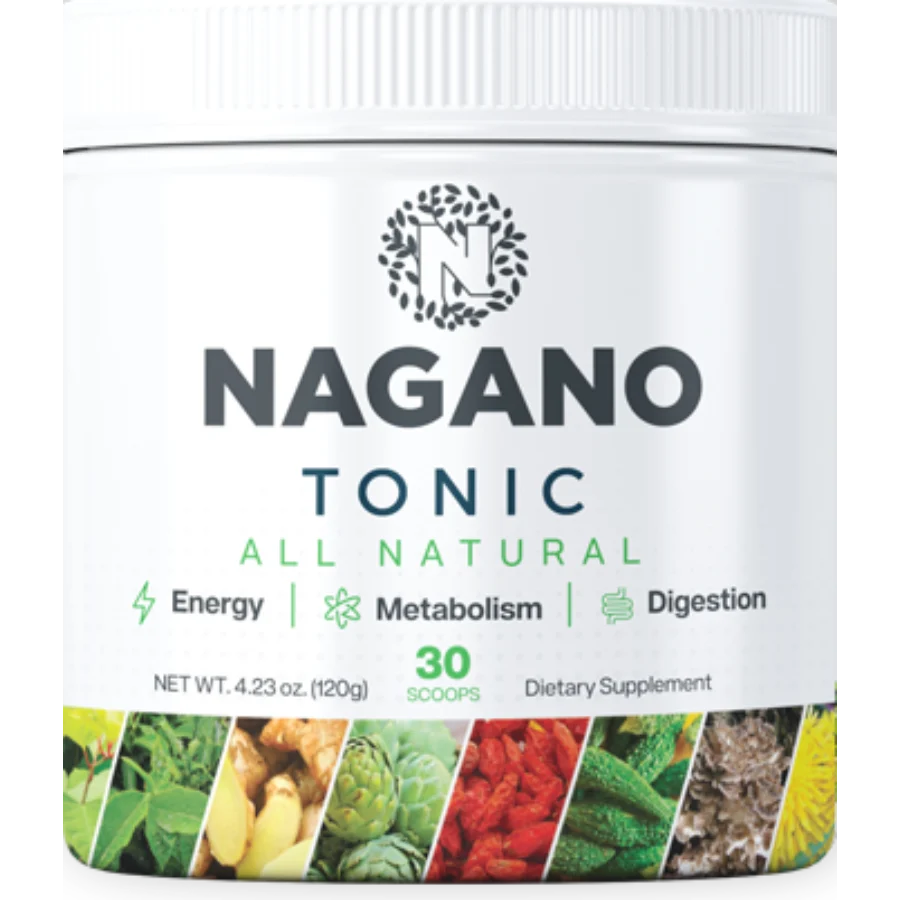
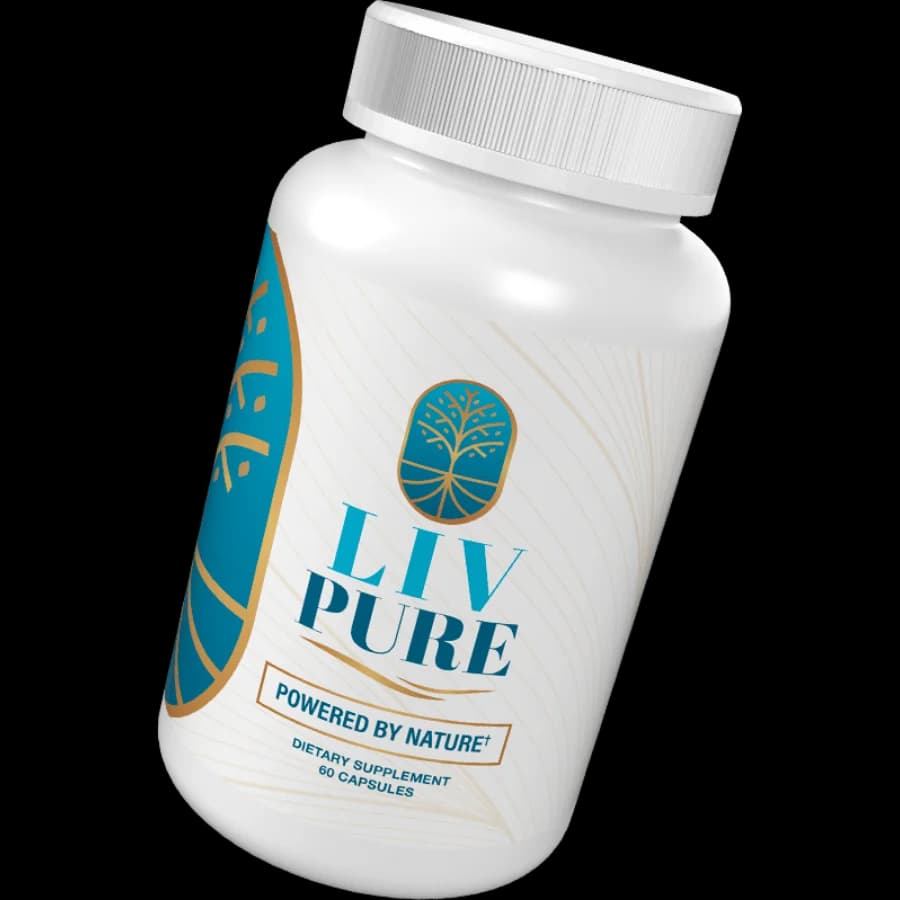
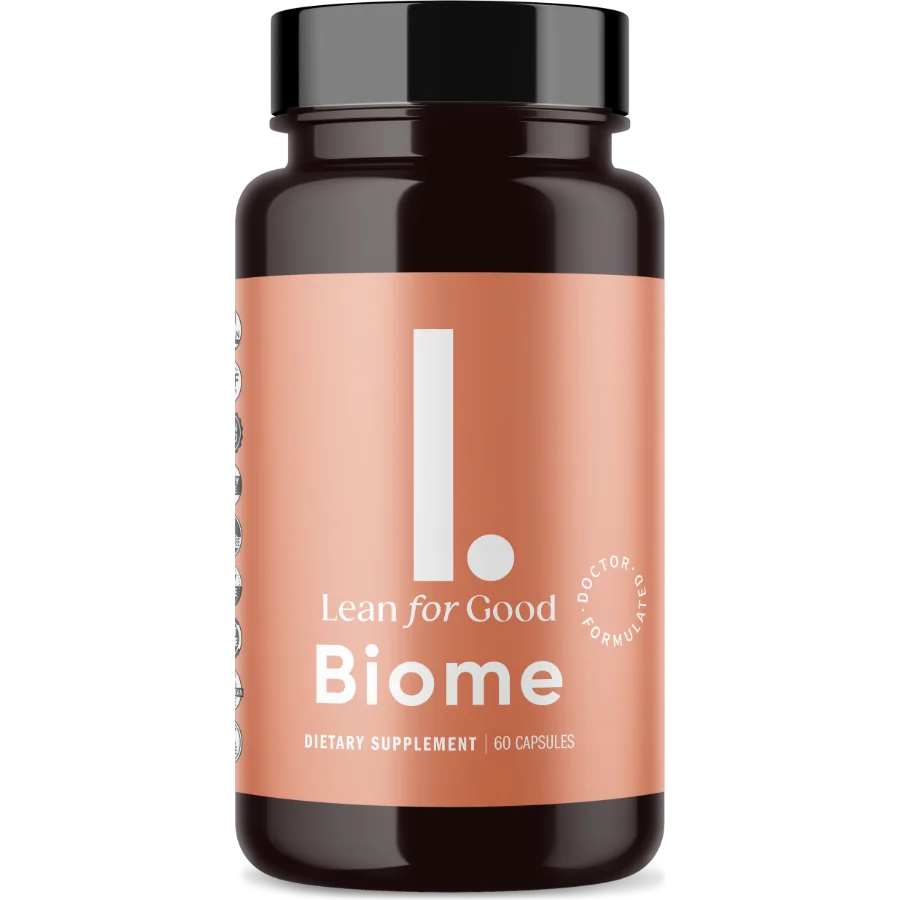
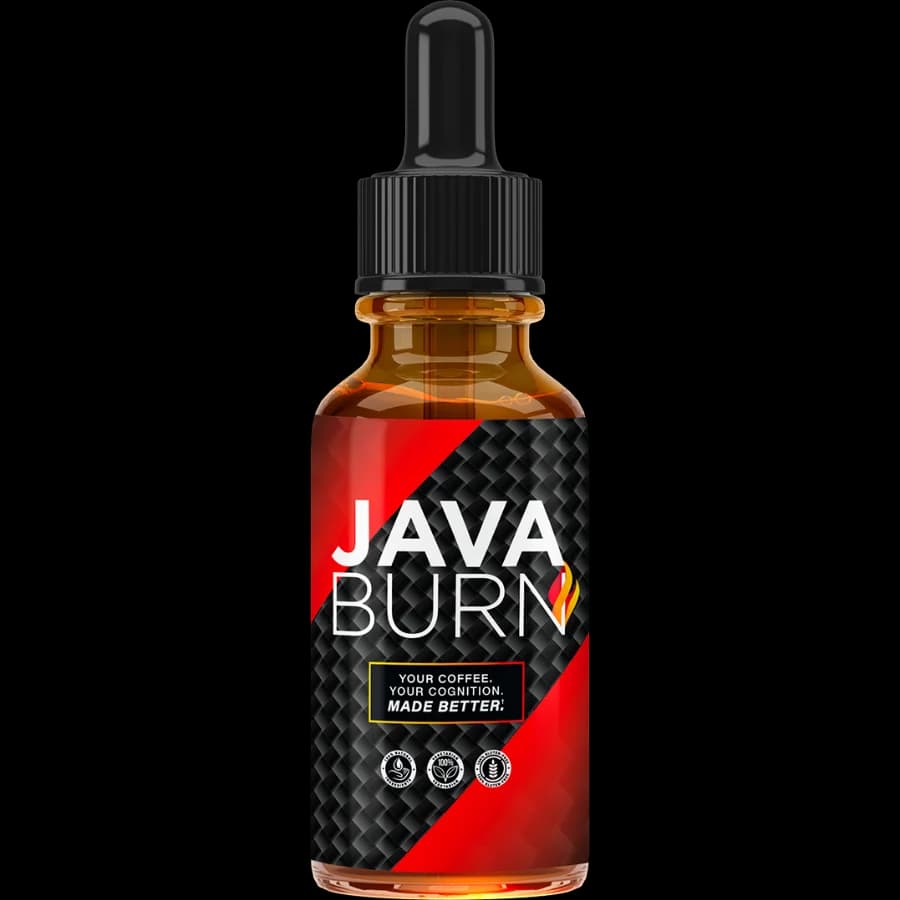
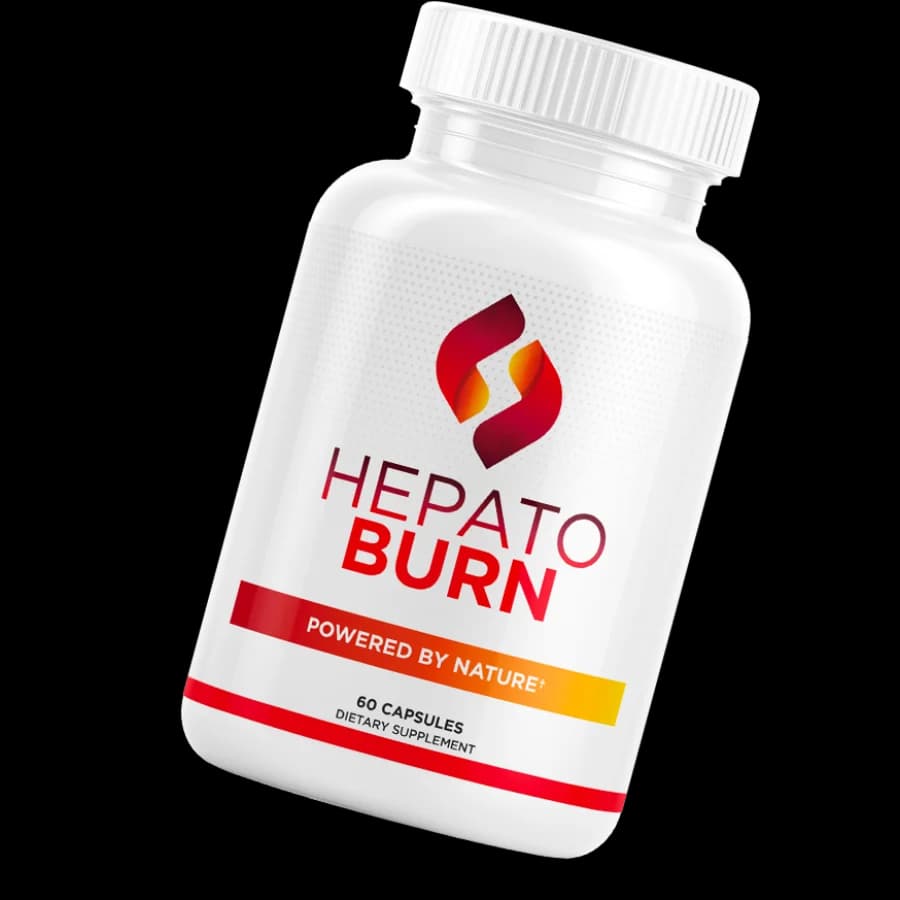
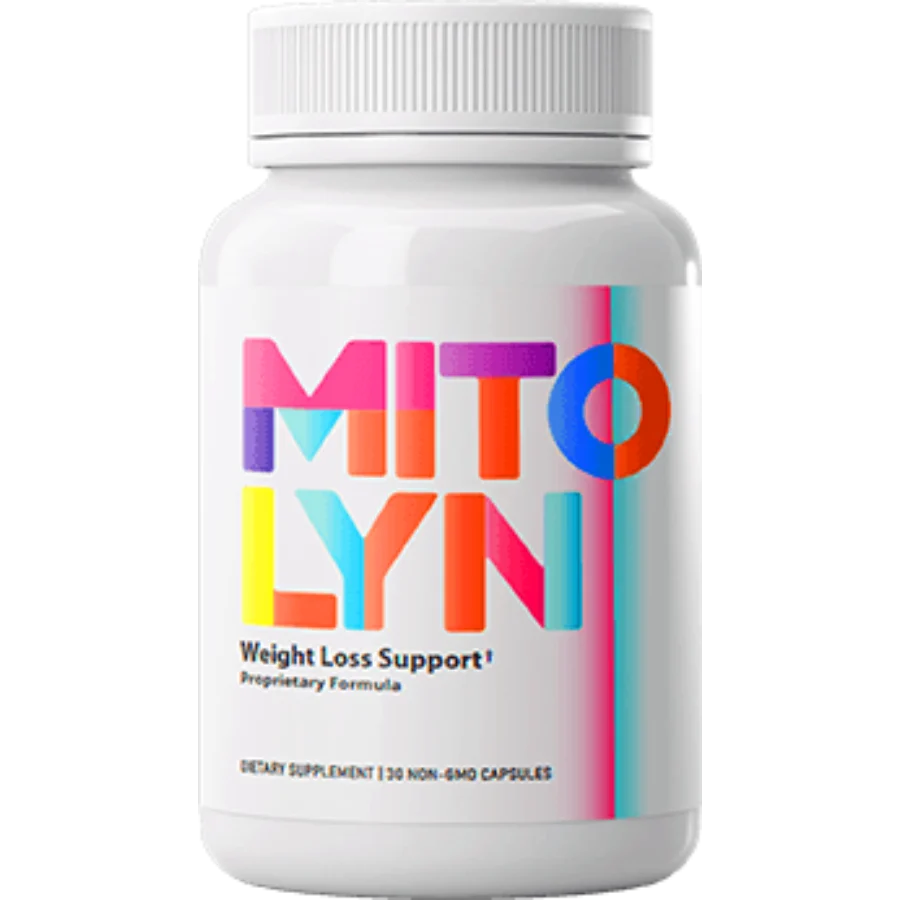
The six formulas compared below are all supplements, and each takes its own marketing angle: mitochondria for Mitolyn, your morning coffee for Java Burn, gut bacteria for LeanBiome, a greens drink for Nagano Tonic, and the liver for Liv Pure and HepatoBurn, whose sellers pitch them as liver support that also burns belly fat. Gluco6, covered in our blood sugar guide, is marketed for weight loss too. The angle is marketing; the label is what counts.
What independent research says about the usual ingredients
Green tea extract
Green tea is the ingredient these formulas share most often. It appears as Camellia sinensis in Java Burn and in the Liv Pure/HepatoBurn formula, as a 300 mg green tea phytosome in LeanBiome, and as a standardized extract inside Nagano Tonic's herb blend. NCCIH says green tea's catechins and caffeine may have a modest effect on body weight, and that results vary with the product's composition and with how physically active you are.
The same page carries a caution you won't find on a sales page. Liver injury is uncommon, but it has been reported in people using green tea products, mostly concentrated extracts in capsules or tablets. People with a specific immune-related gene variant, carried by an estimated 5 to 15 percent of Americans, appear more susceptible. Green tea also contains caffeine.
Probiotics and prebiotic fiber
LeanBiome is built on nine probiotic strains plus inulin, and Nagano Tonic adds a 2.5 billion CFU probiotic blend to its powder. Cleveland Clinic says there's little scientific evidence that probiotics support weight loss, partly because most studies pair them with diet and exercise, which makes it hard to know what the probiotic contributed. Its dietitian points instead to high-fiber foods such as fruit, vegetables, whole grains and legumes, which feed the bacteria already in your gut.
Strain matters as much as species. NCCIH notes that when one Lactobacillus strain helps with something, it doesn't follow that another strain will. LeanBiome's seller cites research on one particular strain of Lactobacillus gasseri, while the label names only the species, so the bottle alone can't confirm you're getting the strain that was studied. More on this in our probiotic guide.
Berberine
Berberine is one of the ten ingredients in the Liv Pure/HepatoBurn formula. Cleveland Clinic mentions the "nature's Ozempic" nickname and a 2022 review that found decreases in weight and BMI among people taking berberine, while stressing that more research is needed. Its most common side effects are nausea, abdominal discomfort, constipation and diarrhea. It can interact with certain medications, and pregnant or breastfeeding women shouldn't take it.
Rhodiola, ashwagandha and the botanical blends
Mitolyn's six-ingredient blend (maqui berry, rhodiola, Haematococcus algae, amla, cacao and schisandra) is framed around mitochondria. For rhodiola, NCCIH says there isn't enough reliable evidence to know whether it's useful for any health purpose, and it notes an interaction with losartan, a blood pressure drug.
Nagano Tonic lists ashwagandha among the herbs in its 800 mg blend. NCCIH says some ashwagandha preparations may help with insomnia and stress, but it also describes rare cases of liver injury and possible interactions with diabetes, blood pressure, thyroid and immune-suppressing medicines.
Several of these products don't publish individual doses at all, which caps any ingredient-by-ingredient analysis: modest evidence at a studied dose says little about a capsule that won't tell you its dose.
Can a supplement mimic Ozempic?
Not in any meaningful sense. Semaglutide (sold as Ozempic and Wegovy) and tirzepatide are prescription GLP-1 medicines. Cleveland Clinic explains that the GLP-1 patches sold online can't work as advertised because GLP-1 molecules are too large to pass easily through skin, that some sellers have rebranded them as berberine patches, and that some studies show oral berberine may lead to modest weight loss.
If you want the real medicine, go through a prescriber. FDA warns about counterfeit and unapproved GLP-1 products and advises filling prescriptions at a state-licensed pharmacy. The part anyone can copy is the lifestyle side: the CDC says people who lose weight gradually and steadily are more likely to keep it off, and that good nutrition, regular activity, stress management and enough sleep all support a healthy weight.
How to read a weight-loss supplement label
- Doses, not just names. Under FDA labeling rules, a proprietary blend only has to show its total weight, not the amount of each ingredient. LeanBiome lists an amount for every ingredient except one pooled seven-strain probiotic blend. Nagano Tonic gives blend totals and a few vitamin amounts. Mitolyn, Java Burn and the Liv Pure/HepatoBurn formula don't publish ingredient doses.
- The daily serving. Mitolyn is one capsule a day, LeanBiome two capsules before breakfast, Nagano Tonic one scoop each morning, and Java Burn one packet or serving in your coffee. The Liv Pure and HepatoBurn sites say to take the product every day with a big glass of water but never say how many capsules.
- The format you're actually ordering. Java Burn is sold as powder packets on its brand site and as a liquid "serum" in dropper bottles on another official sales page.
- Facility wording. "Made in an FDA-registered facility" describes a registration, and FDA says registration does not constitute approval. Java Burn's FAQ goes a step further and calls its facility approved. Our explainer on why FDA registration is not FDA approval covers the difference.
- The terms page. Mitolyn's terms page says "Andrew Lambert" is a pen name, that the results it features are exceptional, and that actors may appear.
Red flags that should end your search
- Promises that skip the work. The FTC lists claims it considers false in weight-loss ads, including losing weight without dieting or exercise, permanent results, a product that works for everyone, and patches or creams that make you lose weight.
- Hidden drugs. FDA's list of weight-loss products contaminated with undeclared drugs covers only a small fraction of what's on the market, and FDA notes these products often carry many positive reviews or spread through social media. One hidden drug it has found again and again is sibutramine, withdrawn from the US market in 2010 after data showed an increased risk of heart attack and stroke. That history is why "strongest fat burner" should read as a warning, not a feature.
- Manufactured proof. The FTC also describes fake news sites using stolen media logos, glowing reviews written or paid for by sellers, and stock or altered before-and-after photos.
- Surprise subscriptions. The FTC warns that "free" trials have left people billed for recurring shipments they didn't want. The sales pages for Mitolyn, Java Burn, LeanBiome, Liv Pure and HepatoBurn describe one-time payments rather than autoship.
- Look-alike listings. Searches for HepatoBurn turn up third-party "Hepato Burn" listings on Amazon and Walmart, one of them labeled "Maximum Strength." When the name, strength or format differs from the official label, don't assume it's the same product, or that the official guarantee covers it.
Six weight-loss formulas we've reviewed, side by side
This isn't a ranking. We haven't tested these products, and the table sticks to what their official sites and labels state.
| Product | Format | Daily serving | Guarantee | Notable label facts | Sold via |
|---|---|---|---|---|---|
| Mitolyn | Capsules, 30 per bottle | 1 capsule with a big glass of cold water | 90 days from order date | Proprietary blend of 6 plant and algae ingredients; no doses published | Official site, ClickBank checkout |
| Java Burn | Powder packets or a liquid dropper "serum," depending on the sales page | 1 packet or serving in coffee | 60 days from purchase; shipping and handling not refunded | Chlorogenic acid, green tea, chromium, L-carnitine, L-theanine and an unspecified vitamin complex; no doses published | Official sites, ClickBank checkout |
| LeanBiome | Delayed-release capsules | 2 capsules before breakfast | 180 days from order date | 9 strains, 20 billion CFU; amounts listed for everything except one pooled 7-strain blend; green tea phytosome 300 mg | Official site, ClickBank checkout |
| Nagano Tonic | Powder, 30 servings | 1 scoop in water or another drink each morning | 180 days from ship date | Blend totals only: greens 2 g, herbs 800 mg, digestive complex 406 mg, probiotics 2.5 billion CFU | Official site, ClickBank checkout |
| Liv Pure and HepatoBurn | Capsules | Every day with a big glass of water; capsule count not stated | 60 days from purchase; shipping and handling not refunded | The same 10-ingredient formula on both official sites, including berberine, silymarin and green tea; no doses published | Official sites, ClickBank checkout |
Two differences stand out. LeanBiome and Nagano Tonic have the longest refund windows at 180 days, though one counts from the order date and the other from the ship date. LeanBiome is also the only formula here that publishes a dose for nearly every ingredient. Return rules vary: Mitolyn's refund page says bottles don't need to be sent back (its FAQ says they do), LeanBiome asks only for unopened bottles, and the others want the product returned at your expense. Read how ClickBank and Digistore24 refunds work before you order.
Who should talk to a doctor first
Check with a doctor or pharmacist before starting any of these if you:
- Take a prescription weight-loss medicine. NIDDK says not to combine weight-loss medications with other weight-loss products unless a health professional prescribes it.
- Take other regular medicines. Berberine can interact with certain medications (Cleveland Clinic). Ashwagandha may interact with diabetes, blood pressure, thyroid and immune-suppressing drugs (NCCIH), rhodiola with losartan (NCCIH), and green tea at high doses can lower blood levels of the beta-blocker nadolol, while green tea extract can do the same to atorvastatin (NCCIH).
- Are pregnant or breastfeeding. Cleveland Clinic says not to take berberine, NCCIH advises avoiding ashwagandha, and caffeine should stay at moderate levels during pregnancy.
- Have had liver problems. NCCIH links both green tea extracts and ashwagandha to rare cases of liver injury.
- Have a weakened immune system or a serious illness. NCCIH says the risk of harmful effects from probiotics is greater in these groups.
- Have a thyroid or autoimmune condition. NCCIH doesn't recommend ashwagandha for people with either.
Our weight-loss supplement reviews
Each review checks the label, directions and refund terms against the official site:
- Mitolyn review: a one-capsule proprietary blend with a 90-day guarantee.
- Java Burn review: the coffee add-in sold in two formats.
- LeanBiome review: the probiotic formula with the most complete label in this group.
- Nagano Tonic review: a greens, herbs and probiotic morning powder.
- Liv Pure review and HepatoBurn review: two names, one formula. Our liver supplement guide explains why that matters.
Browse the full weight management category for the rest.
Sources
Checked on September 30, 2026. Product facts come from each manufacturer's official pages, linked in the individual reviews.
- NIDDK: Prescription Medications to Treat Overweight & Obesity
- NCCIH: Green Tea: Usefulness and Safety
- Cleveland Clinic: How Probiotics Support Healthy Weight Loss
- NCCIH: Probiotics: Usefulness and Safety
- Cleveland Clinic: Berberine for Weight Loss: Does It Work?
- NCCIH: Rhodiola: Usefulness and Safety
- NCCIH: Ashwagandha: Usefulness and Safety
- Cleveland Clinic: Do GLP-1 Patches Actually Work?
- FDA: FDA's Concerns with Unapproved GLP-1 Drugs Used for Weight Loss
- CDC: Steps for Losing Weight
- FDA: Questions and Answers on Dietary Supplements
- FDA: Weight Loss Product Notifications
- FDA: Questions and Answers about FDA's Initiative Against Contaminated Weight Loss Products
- FTC Consumer Advice: The Truth Behind Weight Loss Ads