There is no proven "best" dental probiotic. Research on oral probiotics is small and mixed: studies summarized by the National Center for Complementary and Integrative Health (NCCIH) suggest probiotics may help as an add-on to gum-disease treatment, while the evidence for cavities is low quality. Effects depend on the exact strain, so a label that names strains and CFUs tells you more than marketing does. No probiotic replaces brushing, flossing and dental checkups.
What a dental probiotic actually is
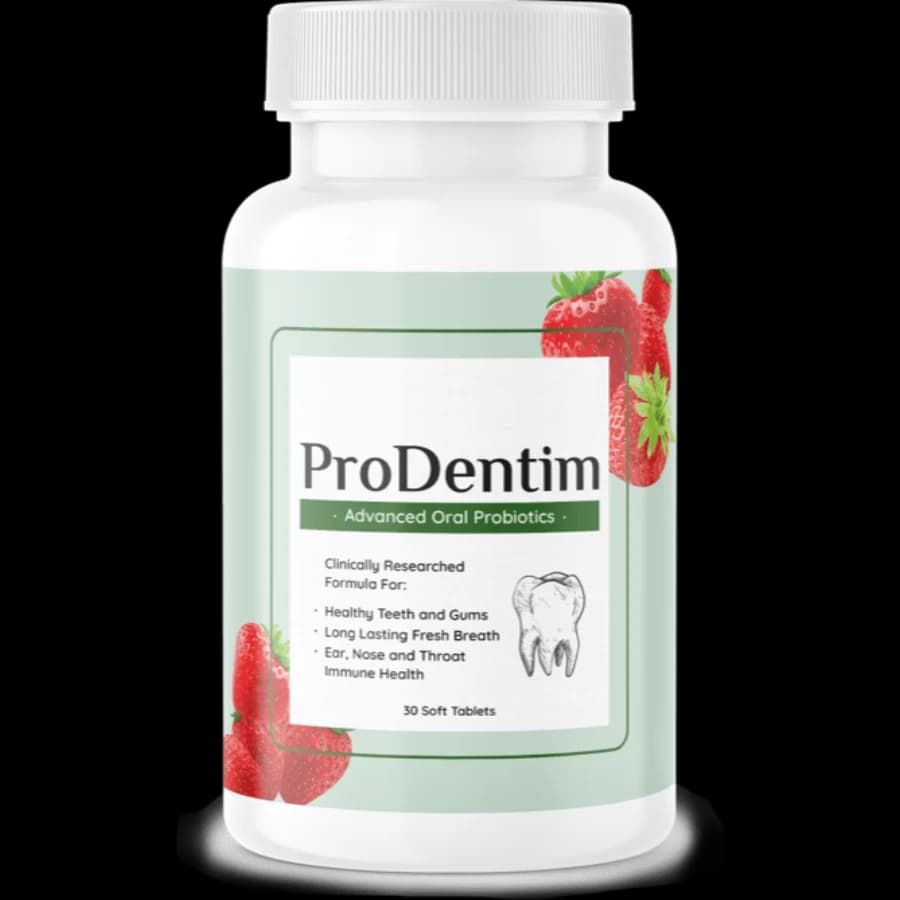
Probiotics are live microorganisms, mostly bacteria and a few yeasts, that are meant to benefit health when taken in sufficient amounts, according to the NIH Office of Dietary Supplements (ODS). A "dental" or "oral" probiotic is simply one marketed for the mouth. Both products in this guide are chewable tablets rather than capsules you swallow whole; ProDentim's label, for example, tells you to let the tablet dissolve in your mouth.
Two facts shape everything else in this guide. First, these products are sold as dietary supplements, and NCCIH points out that supplements don't need FDA approval before they go on sale. Our explainer on why supplements aren't FDA-approved also covers the "FDA-registered" and "GMP" badges you'll see on these bottles. Second, results are strain-specific. NCCIH notes that if one kind of Lactobacillus helps with a health problem, that doesn't necessarily mean another Lactobacillus, or any Bifidobacterium, would do the same. A study on one strain tells you very little about a product built on different ones.
What the research shows so far
The fairest one-line summary is "promising, not proven." Mayo Clinic lists dental cavities and gum disease among the conditions researchers are studying for a link to gut microorganisms, and says the research hasn't yet shown that probiotics improve health and are safe for everyone. Here is what the sources say about the problems dental probiotics are sold for:
| Question | What the source says | Source |
|---|---|---|
| Gum disease (periodontitis) | A 2016 review of 12 studies with 452 participants found probiotics could be a helpful addition to treatment, by reducing disease-causing bacteria and improving clinical signs | NCCIH |
| Cavities | A review of 7 studies with 1,715 participants linked probiotics to fewer cavities in 4 of them, but the evidence was low quality | NCCIH |
| Bad breath | The ADA's advice centers on brushing, cleaning between teeth, keeping saliva flowing, quitting tobacco and regular checkups; probiotics aren't on its list | ADA |
| Overall health benefit | Promising research, not yet proof that probiotics improve health and are safe for everyone | Mayo Clinic |
Keep two caveats in mind when you hold a sales page up against that table. The gum-disease finding describes probiotics as an addition to treatment of an existing condition, not a stand-in for a dental cleaning. And NCCIH's page was last updated in August 2019, so newer trials aren't reflected there. More importantly, all of these findings are about probiotics as a category. They can't tell you whether a particular chewable, with its particular strains and dose, does anything for your mouth.
Side effects, and the three groups who should skip probiotics
For most healthy adults, the downside is small. ODS says probiotics may cause gas in healthy people but rarely cause infections or other health problems, and Mayo Clinic describes side effects as rare.
The picture changes for three groups that ODS singles out:
- Preterm infants. FDA has reported that probiotics may lead to infections, even life-threatening illness, in babies born early.
- People who are already seriously ill. NCCIH says the risks should be weighed carefully against benefits for high-risk patients such as seriously ill hospital patients.
- People with weakened immune systems. ODS notes that probiotics might cause bacterial infections in this group.
That is the evidence-based answer to the popular search about the "three people who should not take probiotics." NCCIH adds two cautions that apply to everyone: few studies have looked at probiotic safety in detail, and some products have turned out to contain microorganisms that weren't listed on the label.
Labels matter here too. ProDentim's sales page calls it "designed for all ages and medical conditions," but its own label says to keep it out of reach of children and to consult a health care provider if you're pregnant, nursing or taking medication. Go by the label. For ProvaDent, no Supplement Facts label was found on the official site when we checked, so its label cautions couldn't be confirmed. If you're pregnant, nursing, on medication or managing a health condition, ask your doctor or dentist before you start any oral probiotic.
ProDentim vs ProvaDent: what each seller discloses
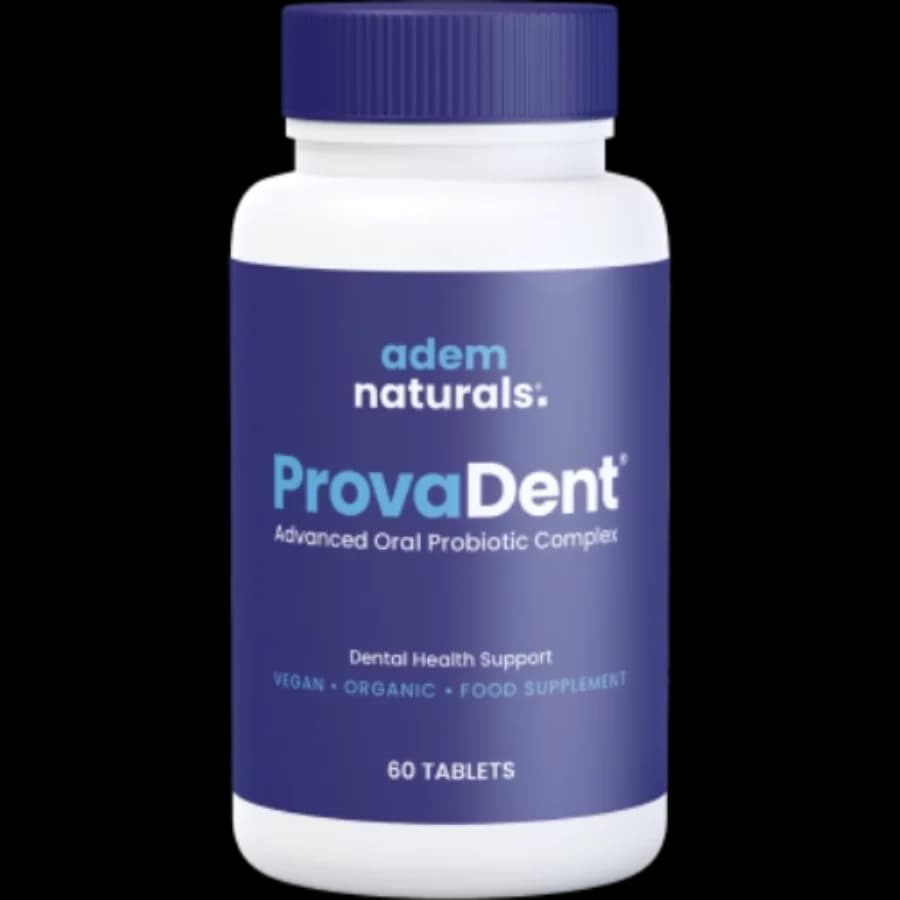
Nutra24 hasn't tested either product, so this isn't a ranking. It's a side-by-side of what each official site put in writing when we checked on September 30, 2026.
| Detail | ProDentim | ProvaDent |
|---|---|---|
| Format | Soft tablet, 30 per bottle | Chewable tablet (one page heading calls it a capsule) |
| Directions | Label: 1 tablet once or up to twice a day, ideally after brushing, dissolved in the mouth (sales FAQ: chew 1 each morning) | Chew 2 tablets a day, suggested after breakfast and before bed |
| Probiotics named | L. paracasei, L. reuteri and B. lactis BL-04 in a blend, plus Streptococcus salivarius listed separately | "4 strains of probiotics," not named |
| Amounts | 20 mg blend at 3.5 billion CFU at manufacture; S. salivarius 20 mg; inulin 100 mg | None published |
| Other ingredients | Tricalcium phosphate, microcrystalline cellulose, natural strawberry flavor, peppermint oil | Organic xylitol, a proprietary "BioFresh Clean Complex," cranberry extract, purple carrot powder |
| Supplement Facts label | Published on the official site | None found on the official site |
| Guarantee | 60 days; start date stated inconsistently | 60 days; start date not stated |
| Checkout | Digistore24 | ClickBank |
Three differences stand out. ProDentim publishes a label with amounts, and one of its bacteria carries a strain code (the BL-04 after B. lactis); the others are named only to the species level, while ODS explains that probiotics are identified by genus, species and strain. ProDentim's CFU figure is counted at manufacture, and ODS notes that counts can decline over time, which is why some experts prefer products that list CFUs through the expiration date. ProvaDent gives no strain names, CFU count or amounts on its official pages, so there is nothing to hold up against the research. One more detail: ProDentim's sales page credits malic acid from strawberries, which doesn't appear on its label.
ProvaDent's lead ingredient, xylitol, does have some dental research behind it, in gum form. The ADA names Streptococcus mutans among the bacteria whose acid can lead to cavities, and cites a 2021 review in which xylitol-sweetened sugar-free gum lowered S. mutans levels, framing it as an addition to home hygiene. ProvaDent doesn't say how much xylitol a tablet contains.
Both sites also make claims the research above doesn't address. ProvaDent's headline says it can "remineralize teeth," and ProDentim's FAQ extends to respiratory, sleep and digestion support. Treat those as seller claims. Our ProDentim review and ProvaDent review go through ingredients, pricing and refund conditions in more detail.
How to read any dental probiotic label
Whatever brand you're considering, most of these checks come straight from the ODS consumer fact sheet:
- Full strain names. Genus, species and strain, like the BL-04 in B. lactis BL-04. A species name alone is less specific.
- CFUs, and when they were counted. A count listed through the expiration date is more useful than one measured at manufacture.
- Bigger numbers aren't automatically better. ODS says higher CFU counts alone don't necessarily mean greater health benefits; any benefit depends on both the specific strains and the count.
- Storage instructions. Some probiotics need refrigeration and others don't, and the label should tell you which.
- Everything else in the tablet. Sweeteners, flavors and minerals are part of what you'll be chewing every day.
What actually protects teeth and gums
Every dental source we checked puts the same routine first, and none of it comes in a bottle:
- Brush twice a day with a soft-bristled brush and an ADA-accepted fluoride toothpaste (ADA). Mayo Clinic specifies two minutes each time.
- Clean between your teeth once a day with floss, dental picks, tiny brushes or a water flosser (ADA).
- Replace your toothbrush every three or four months, or sooner if the bristles fray.
- Limit sugary drinks and snacks.
- See your dentist regularly. Mayo Clinic says cleanings usually happen every 6 to 12 months, and more often if you smoke, have dry mouth or take certain medicines.
That last step is the one a supplement can't stand in for. Plaque left on teeth can harden into tartar, and Mayo Clinic notes that tartar can't be removed by brushing or flossing; it takes a professional cleaning.
Learn the warning signs, too. The ADA lists gums that bleed easily; red, swollen or tender gums; gums pulling away from the teeth; bad breath or a bad taste that won't go away; and permanent teeth that are loose or separating. Caught early, gum disease can usually be cleared up with daily brushing and flossing plus regular cleanings by a dentist or hygienist (MedlinePlus). Left alone, it can progress to periodontitis, which destroys the gums, bone and connective tissue that hold teeth in place. If you notice those signs, book a dental visit before you order anything.
Can any mineral rebuild teeth and gums?
This question shows up in almost every search about dental probiotics, so here is a straight answer. For enamel, the mineral with the ADA's backing is fluoride. Plaque bacteria release acids that attack enamel, and fluoride helps repair that early damage through a process called remineralization (ADA). That's why fluoride toothpaste sits at the top of the ADA's routine.
Gums are a different matter. None of the ADA, Mayo Clinic or MedlinePlus pages cited here points to a mineral or supplement that regrows gum tissue or the bone that periodontitis destroys. The ADA says treatment depends on the type of gum disease and how far it has progressed, and that assessment belongs to a dentist or periodontist.
Keep that in mind when a sales page leans on minerals. ProDentim lists tricalcium phosphate among its other ingredients, without an amount. ProvaDent's headline claims it can remineralize teeth, but fluoride isn't among the ingredients it markets.
Before you order a dental probiotic
If you decide to try one, give it a fair test. Keep your brushing and flossing exactly the same so you can tell whether anything changed, note the date you started, and know the refund terms before the box arrives. Both products here advertise 60 days, but through different checkouts with different steps; our guide to ClickBank and Digistore24 refunds walks through each one. If you're weighing probiotics for digestion rather than your mouth, see our separate gut-health probiotic guide, and you can browse other oral-care products under dental health.
A probiotic might turn out to be a small extra for your mouth. Your toothbrush, your floss and your hygienist are still doing the heavy lifting.
Sources
Checked on September 30, 2026. Product facts come from each manufacturer's official pages, linked in the individual reviews.
- NCCIH: Probiotics: Usefulness and Safety
- NIH Office of Dietary Supplements: Probiotics, Fact Sheet for Consumers
- Mayo Clinic: Probiotics and prebiotics: What you should know
- Mayo Clinic: Periodontitis, symptoms and causes
- MedlinePlus: Gum Disease
- ADA MouthHealthy: Brushing Your Teeth
- ADA MouthHealthy: Flossing
- ADA MouthHealthy: Fluoride
- ADA MouthHealthy: Gum Disease (Periodontal Disease)
- ADA MouthHealthy: Bad Breath
- American Dental Association: Chewing Gum (Oral Health Topics)