No. Dietary supplements are not FDA-approved before they're sold. FDA doesn't approve supplements before they are marketed; the companies that sell them are responsible for safety and truthful labels, and FDA acts after products reach the market. "FDA-registered facility" only means a plant has registered with FDA, as food facilities must. "GMP" refers to manufacturing rules every supplement maker already has to follow. Neither one is an approval.
What FDA does, and doesn't do, for supplements
FDA's consumer update on what the agency does and doesn't approve is blunt: by statute, FDA doesn't approve dietary supplements for safety and effectiveness, and many reach the market without the company ever notifying FDA. The main exception is a "new dietary ingredient," meaning one that wasn't sold in the U.S. before October 15, 1994. For those, the company must send FDA a safety notification at least 75 days before marketing.
Everything else rests on the seller. FDA's Questions and Answers on Dietary Supplements says companies must make sure their products aren't adulterated or misbranded, have evidence that their claims are truthful and not misleading, follow current good manufacturing practices, and forward reports of serious adverse events to FDA.
The agency's own work mostly starts after launch. According to FDA 101: Dietary Supplements, FDA periodically inspects manufacturing facilities, reviews labels and websites for claims that would make a product a drug, monitors adverse event reports, and can ask for voluntary recalls or act to remove dangerous products.
That is also why labels that describe an effect on the body carry a standard disclaimer: the statement hasn't been evaluated by FDA, and the product isn't intended to diagnose, treat, cure or prevent any disease. When you see that line, the seller is telling you, in required wording, that no one at FDA reviewed the claim printed above it.
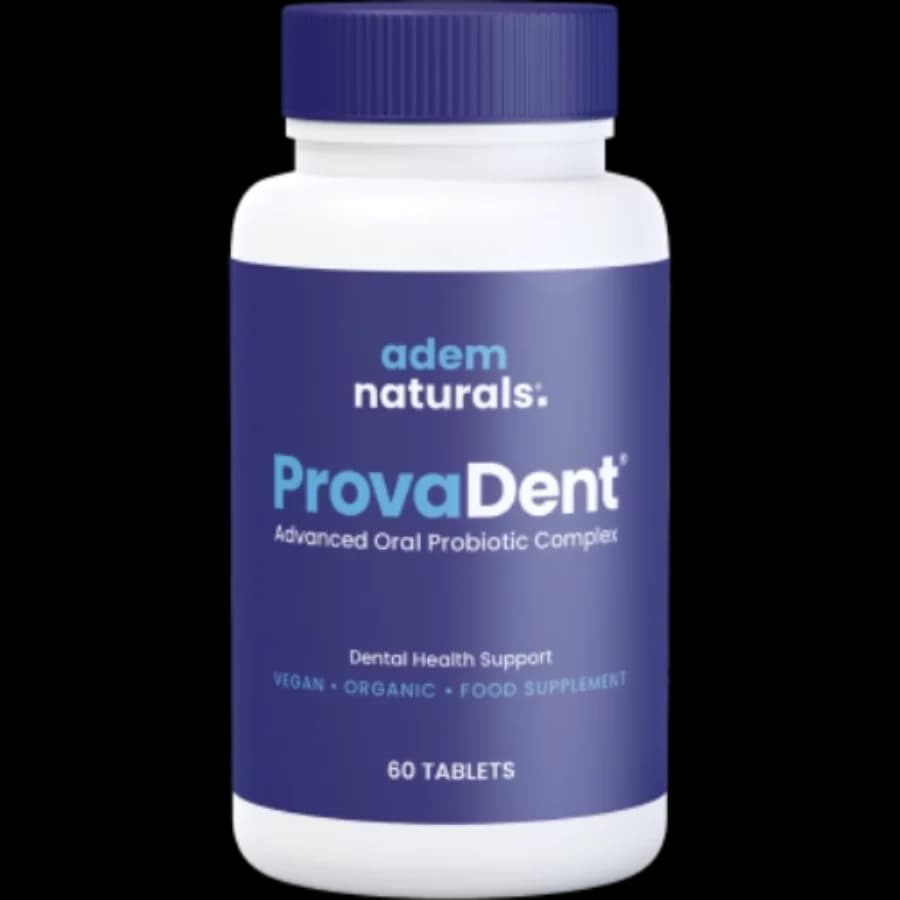
So the question that shows up under so many product searches, such as "Is ProvaDent approved by the FDA?", has the same answer for every brand we review: no, because FDA doesn't approve dietary supplements.
What "FDA-registered facility" means
This is the badge readers ask about most. Facilities that manufacture, process, pack or hold food for consumption in the U.S. must register with FDA, and FDA's Q&A confirms that this covers facilities making dietary supplements. Registration has to be renewed every other year, and it includes an assurance that FDA will be allowed to inspect the facility.
What registration is not:
- Not an approval. In the same consumer update on approvals, FDA says that registering an establishment doesn't signal approval of it, and that the agency doesn't approve manufacturing facilities on their own. It inspects them to check compliance with good manufacturing practices.
- Not a certificate. FDA doesn't issue certificates of registration and doesn't recognize certificates issued by private businesses. Registering is free, FDA assigns each registered facility a registration number, and the agency says it isn't affiliated with private companies that sell registration services (FDA).
- Not a statement about the product. Registration concerns the facility and the company running it. It says nothing about whether a formula works.
So when a site says its product is made in an "FDA-registered facility," the honest reading is that the manufacturer did what the law requires of food and supplement facilities. When a site claims FDA approval or accreditation of its facility, ask the company which FDA program it means, since FDA says it doesn't approve manufacturing facilities on their own.
What "GMP" and "GMP certified" mean
GMP stands for good manufacturing practices. FDA's rule for supplements, 21 CFR Part 111, applies to domestic and foreign companies that manufacture, package, label or hold dietary supplements (FDA). It is meant to ensure a product's identity, purity, quality, strength and composition, and that the bottle contains what its label says without harmful contaminants such as pesticides or heavy metals. The NIH Office of Dietary Supplements (ODS) adds that GMPs help keep the wrong ingredient, or too much or too little of the right one, out of the bottle, and that FDA periodically inspects supplement makers.
Two practical points follow:
- GMP is the floor, not a bonus. Every company making supplements for the U.S. market has to follow these rules, so "made under GMP" is a claim to be meeting the legal minimum.
- GMP covers manufacturing, not effectiveness. FDA's backgrounder on the rule notes that manufacturers are responsible for the safety of their ingredients and for having adequate evidence behind their claims, and ODS says FDA doesn't determine whether supplements are effective before they're sold. A perfectly made capsule of a formula that doesn't work is still a formula that doesn't work.
"GMP certified" adds a word worth questioning. NCCIH cautions that a manufacturer's use of terms like "certified" or "verified" doesn't necessarily guarantee product quality or consistency. When a label says certified, the useful follow-up is: certified by whom?
What "third-party tested" and "Made in USA" mean
Third-party tested. Independent organizations do test supplements. ODS names ConsumerLab.com, NSF International and U.S. Pharmacopeia as groups that let products passing their tests display a seal. A seal like that indicates the product was properly manufactured, contains the ingredients on its label and doesn't contain harmful levels of contaminants. It doesn't guarantee that the product is safe or effective. Phrases like "third-party inspections" or "3rd Party Tested" are most useful when they name the organization, so you can check the claim yourself.
Made in USA. The Federal Trade Commission sets the standard for "Made in USA" claims. An unqualified "Made in USA" means all or virtually all of the product is made in the U.S.: final processing happens here, all significant processing happens here, and all or virtually all ingredients are made and sourced here. A qualified claim describes how much of the content or processing is domestic instead. That's why several brands below say something like "Made in the USA using foreign and U.S. ingredients," which tells you some ingredients are imported. The FTC doesn't pre-approve these claims.
Manufacturing claims from the 15 brands we review
Here is what each official site said about manufacturing when we checked on September 30, 2026. These are seller claims, collected so you can compare them with the definitions above; Nutra24 hasn't verified them with FDA or the manufacturers. "None stated" means we found no such claim on the official pages.
| Brand (our review) | "Made in USA" wording | FDA wording | GMP wording | Testing and other quality claims |
|---|---|---|---|---|
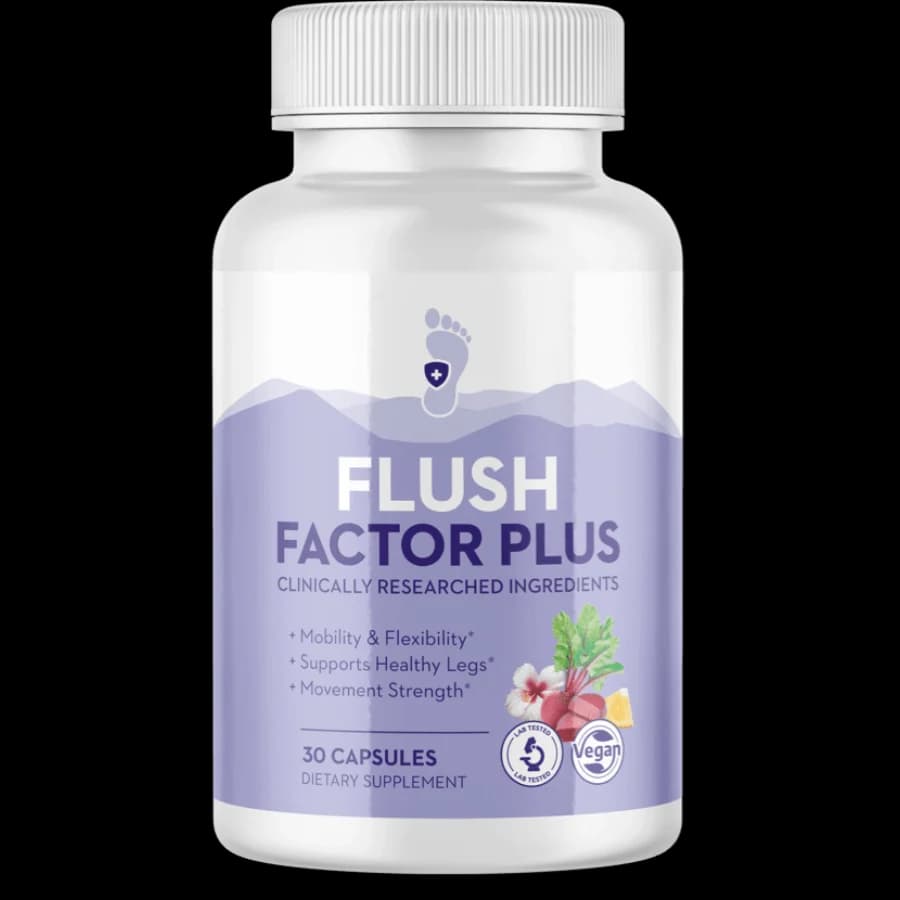
| Flush Factor Plus | Made in the USA using foreign and U.S. ingredients | FDA-registered facility (label); a site badge claims FDA approval | GMP certified | "Lab tested"; vegan; non-GMO |
| Gluco6 | Made in USA | FDA-registered facility | GMP-certified facility | Third-party inspections; non-GMO |
| HepatoBurn | Made in USA | FDA-registered facility | GMP-certified facility | Third-party inspections; non-GMO |
| Java Burn | Manufactured in the USA | Claims FDA approval of its facility | GMP-certified facility | None stated; says non-GMO |
| Kerassentials | None stated (distributor address in Colorado) | "FDA accredited" facility (FAQ) | None stated | None stated; says non-GMO |
| LeanBiome | "Formulated in the USA"; produced in a U.S. facility | "FDA-inspected" facility | cGMP facility | None stated; says GMO-free |
| Liv Pure | Made in USA | FDA-registered facility | GMP-certified facility | Third-party inspections; non-GMO |
| Mitolyn | Made in USA | FDA-registered facility | GMP-certified facility | Third-party inspections; non-GMO |
| Nagano Tonic | Manufactured in the USA | FDA-registered facility | "Follows the GMP guidelines" | None stated |
| Nitric Boost (Ultra) | Made in USA with domestic and foreign ingredients | None stated | GMP-certified facility | Third-party inspections; non-GMO |
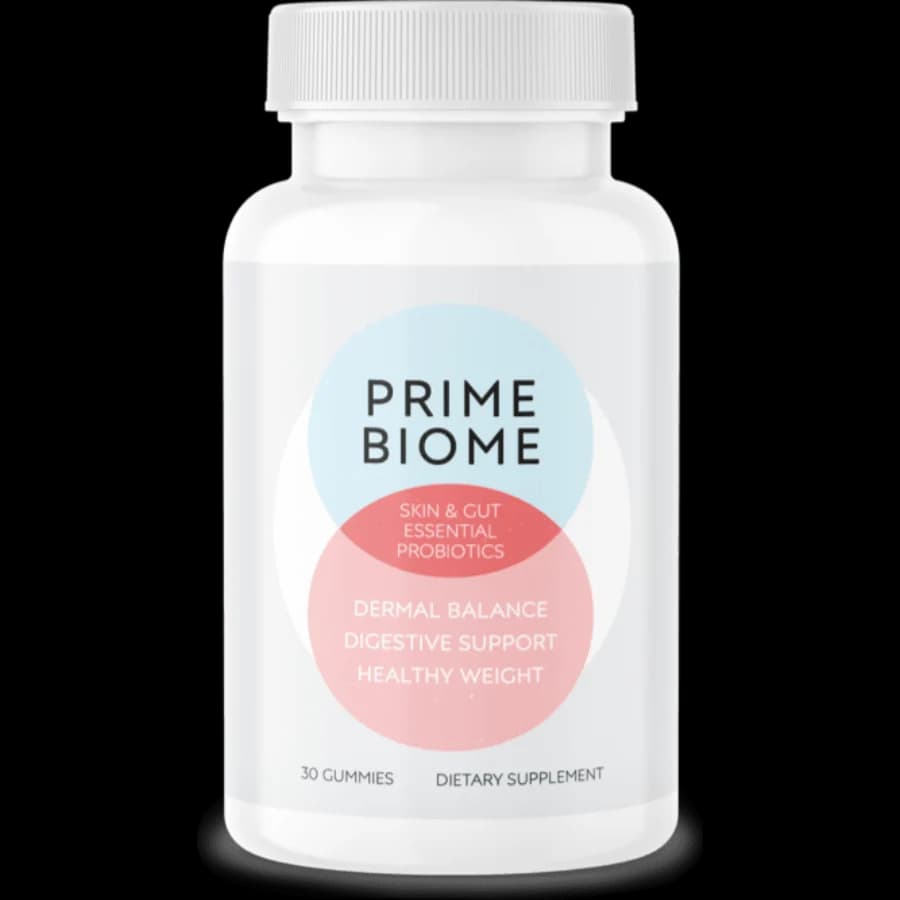
| PrimeBiome | Made in the USA from foreign and domestic ingredients | FDA-registered facility (label); FAQ claims FDA approval | GMP certified | None stated; says GMO-free |
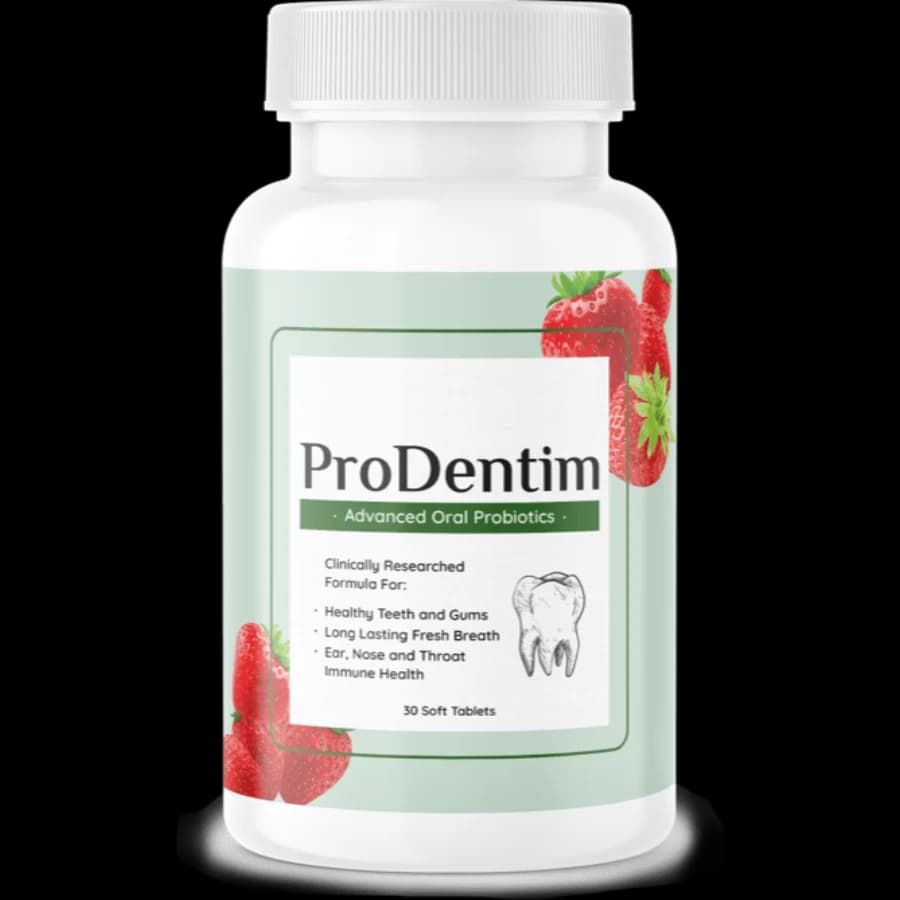
| ProDentim | Made in the USA using foreign and U.S. ingredients | FDA-registered facility (label); sales copy claims FDA approval | GMP certified | None stated; says non-GMO |
| ProstaVive | Made in USA | FDA-registered facility | "Following GMP" | None stated |
| ProvaDent | Manufactured in the USA with domestic and foreign ingredients | None stated | GMP certified (badge) | "3rd Party Tested" badge; non-GMO |
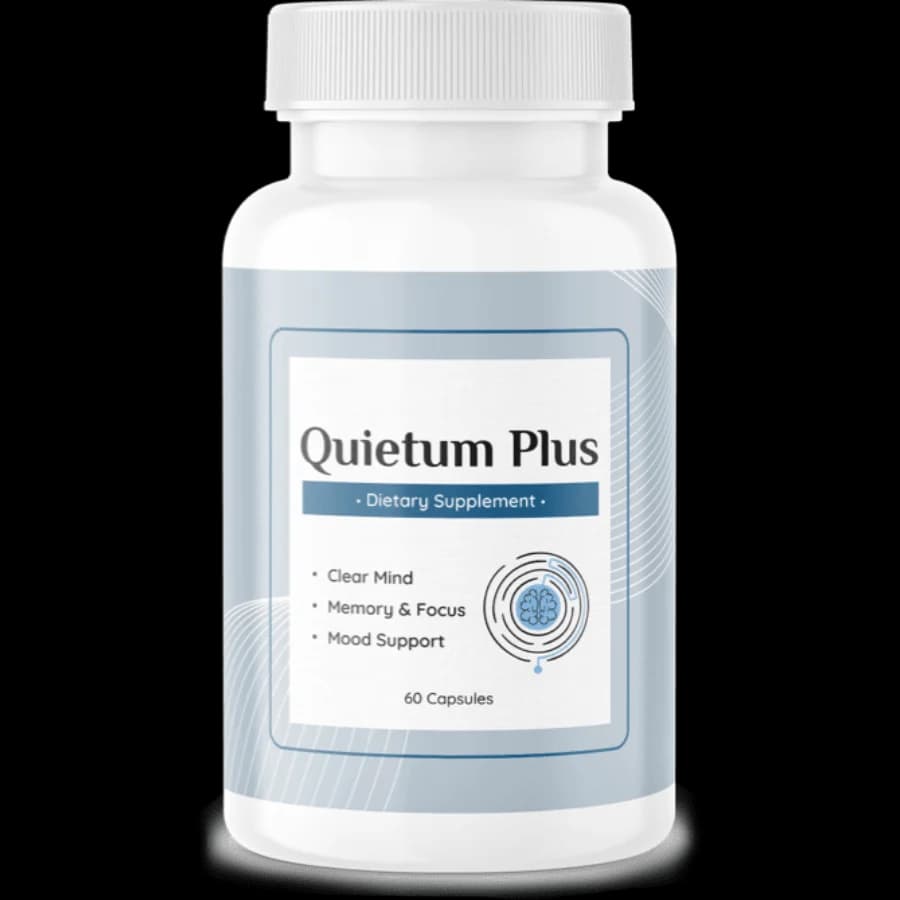
| Quietum Plus | None stated (distributor address in Colorado) | Sales page claims FDA approval; FAQ says "FDA accredited" | None stated | None stated; says non-GMO |
A few patterns stand out. Nine of the 15 sites say the product comes from an FDA-registered facility, which is the ordinary legal status described above. Five use wording that claims FDA approval of a facility, and two describe an "FDA accredited" facility; since FDA says it doesn't approve manufacturing facilities on their own, those are the claims to question first. Thirteen mention GMP in some form, and five use the qualified "Made in USA" wording that flags imported ingredients. One note on Kerassentials: it is a topical oil rather than something you swallow, so the supplement-specific rules above don't map neatly onto it.
How to check a claim, and where to report a problem
- Ask for names. Which company manufactures the product, and which organization, if any, certified or tested it? A useful answer names names.
- Look for a seal you can verify, such as one from the three testing organizations ODS lists.
- Read the Supplement Facts label, not the badge row. It lists the active ingredients, the amount per serving and the other ingredients.
- Talk to your doctor or pharmacist before combining supplements with medicines. ODS notes that some supplements can raise the risk of bleeding or change your response to anesthesia, and that "natural" doesn't always mean safe.
- Report bad reactions. Stop using the product and contact your health care provider. FDA asks consumers to report problems through its Safety Reporting Portal or by calling 1-888-INFO-FDA, and ODS suggests also telling the manufacturer through the contact details on the label.
What the badges can't tell you
Every badge in that table describes the factory, the paperwork or the ingredients' origin. None of them tells you whether the formula will do what the sales page says. For what happens after you buy, including how the money-back guarantees on these same 15 brands work, see our guide to ClickBank and Digistore24 refunds. If your question started with a dental product, our dental probiotics guide looks at the research behind them, and you can compare products within a category such as weight management or blood sugar.
A bottle can come out of a registered, inspected, GMP-compliant facility and still do nothing for you. The badges only ever speak to the first half of that sentence.
Sources
Checked on September 30, 2026. Product facts come from each manufacturer's official pages, linked in the individual reviews.
- FDA: Is It Really 'FDA Approved'?
- FDA: Questions and Answers on Dietary Supplements
- FDA: FDA 101: Dietary Supplements
- FDA: Registration of Food Facilities and Other Submissions
- FDA: Questions Regarding Food Facility Registration Fees and Private Businesses Claiming an Affiliation with FDA
- FDA: Backgrounder on the Final Rule for Current Good Manufacturing Practices (CGMPs) for Dietary Supplements
- FDA: How to Report a Problem with Dietary Supplements
- NIH Office of Dietary Supplements: Dietary Supplements, What You Need to Know
- NCCIH: Using Dietary Supplements Wisely
- FTC: Complying with the Made in USA Standard