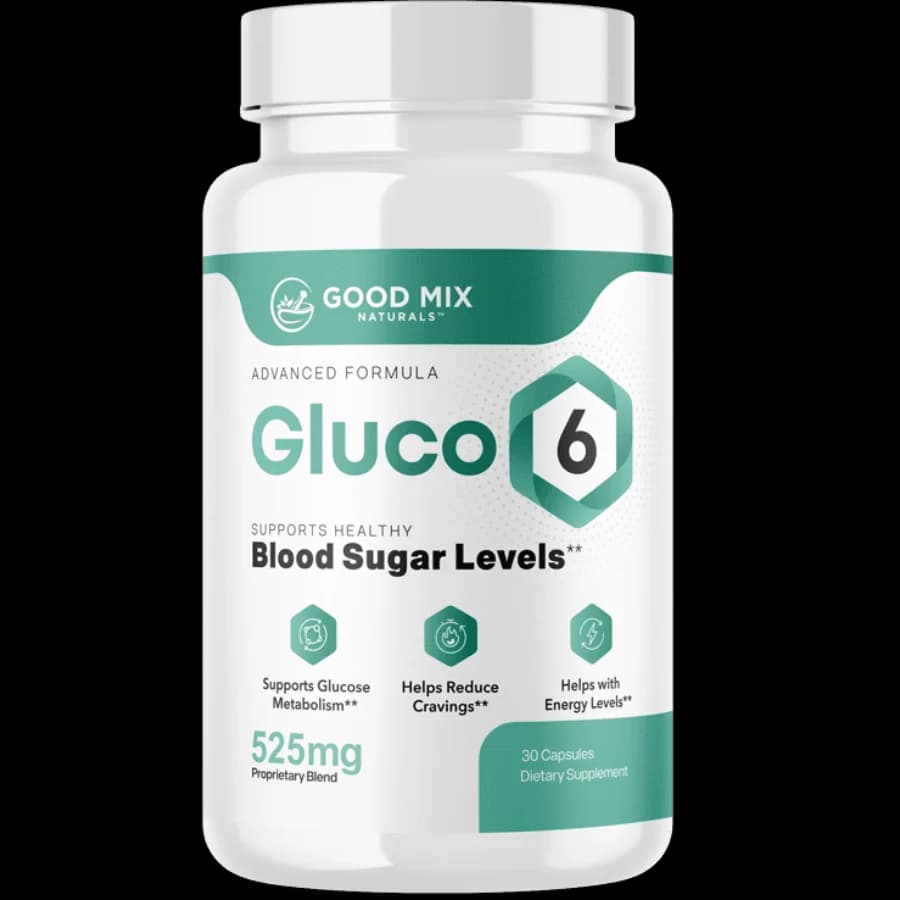
No supplement has been shown to lower blood sugar reliably enough to stand in for diabetes care. The American Diabetes Association says supplements are not proven to lower blood glucose, and NCCIH finds only weak evidence of a possible benefit for a few. If you take glucose-lowering medicine, some ingredients can push your blood sugar too low or too high, so talk with your doctor before adding one.
A supplement is not a substitute for diabetes care
This needs saying plainly, because supplement marketing often blurs it. NCCIH says it's very important not to replace medical treatment for diabetes with an unproven product, and that fraudulent diabetes products are especially dangerous when people use them instead of proven treatments. FDA has sent warning letters to companies selling unapproved diabetes products, some of them labeled as dietary supplements, and advises checking with a health care professional before buying any product with questionable claims.
If you have diabetes, keep taking your prescribed medicine and keep testing as your care team directs. A supplement, at most, sits alongside that plan with your doctor's knowledge. If you have prediabetes, lifestyle change has the evidence: the CDC says people who make certain lifestyle changes through its structured program can cut their risk of type 2 diabetes in half.
What A1C tells you, and what a label can't
A1C is a blood test that reflects your average blood glucose over roughly the past three months. NIDDK lists below 5.7% as normal, 5.7% to 6.4% as prediabetes, and 6.5% or higher as diabetes. NIDDK notes that keeping A1C below 7% can lower the risk of complications for some people with diabetes, but targets vary and should be set with your health care professional.
Because A1C averages about three months, no label can tell you what a product will do to yours; only follow-up testing can. That's also why a sales page promising "healthy blood sugar levels" gives you nothing to measure against.
What the research says about common blood sugar ingredients
Chromium
NCCIH cites a 2022 review suggesting chromium may help improve A1C, fasting blood glucose and insulin resistance in people with type 2 diabetes. It can cause stomach pain and bloating, and there have been a few reports of kidney damage, liver damage, muscle problems and skin reactions after large doses. MedlinePlus puts the adequate intake for most adults at 20 to 35 mcg a day, says toxicity isn't common, and says chromium isn't recommended as the sole treatment for diabetes.
Gluco6's label lists 1 mg of chromium (as chromium niacinate) per capsule. That's 1,000 mcg, more than 25 times the adult adequate intake, before counting chromium from any other product you take.
Cinnamon
NCCIH summarizes three reviews: one found cinnamon supplements reduced fasting blood glucose and insulin resistance, another found lower blood pressure but no change in body weight, and a third found lower triglycerides and cholesterol. Doses below 6 grams a day don't appear to pose a health risk. The catch is the type: cassia cinnamon, the most common kind sold in the US and Canada, contains coumarin, which might cause or worsen liver disease. Gluco6 includes cassia cinnamon bark in its blend without stating the amount.
Berberine
NCCIH says berberine may help lower blood glucose and insulin resistance, lists nausea, diarrhea, bloating and constipation as common side effects, and advises against it during pregnancy or breastfeeding. Cleveland Clinic adds that it can interact with certain medications, so check with your provider before starting. Gluco6 doesn't contain berberine, but the Liv Pure/HepatoBurn liver formula does.
Vitamin D
NCCIH reports a review in which vitamin D at moderate-to-high doses (at least 1,000 IU a day) significantly reduced the risk of type 2 diabetes in people with prediabetes. That's a finding about prevention, not about lowering blood sugar in people who already have diabetes. Gluco6 provides 50 mcg of vitamin D3 per capsule, which is half the 100 mcg daily upper limit MedlinePlus lists for adults. If you also take a multivitamin or a separate vitamin D, add them up; too much vitamin D can raise blood calcium to levels that can damage the kidneys.
Gymnema, green tea and the rest
Gluco6's 525 mg proprietary blend combines Sukre prebiotic fiber (L-arabinose), theobromine, green tea leaf extract (98% polyphenols, 65% EGCG), eleuthero root, theacrine (sold as TeaCrine), cassia cinnamon and Gymnema sylvestre, with no individual amounts. NCCIH says research on other herbs studied for diabetes, including bitter melon, fenugreek, ginseng and milk thistle, has been limited and hasn't proven any of them effective. NCCIH also reports rare liver injury linked to concentrated green tea extracts.
How to read a blood sugar supplement label
- Separate the disclosed doses from the blend. Gluco6 discloses vitamin D3 (50 mcg), vitamin B1 (100 mg) and chromium (1 mg); the other seven ingredients share a 525 mg blend. FDA rules require only the blend's total weight.
- Add up nutrients across everything you take. Vitamin D and chromium turn up in multivitamins and other formulas, so check your totals against the limits above.
- Read the warnings. Gluco6's label says it isn't for anyone under 18 or for pregnant or nursing women, and that people taking medication should consult a physician first.
- Compare badges with the ingredient list. Gluco6's seller displays a "No stimulants" badge, while the blend lists theobromine, theacrine and a green tea extract; NCCIH notes that green tea contains caffeine.
- Follow the stated timing. The official directions are one capsule in the morning before breakfast, with a glass of water.
Red flags
- Claims to replace, or let you stop, medication. Supplements can't legally claim to treat diabetes; a product sold that way is being marketed as a drug under FDA rules.
- "All natural" alternatives to prescription drugs. FDA has found diabetes products marketed that way that contained undeclared prescription drugs such as metformin and glyburide, and notes glyburide can cause severe low blood sugar.
- Name confusion. Search engines sometimes mix up Gluco6 with the Dexcom G6. Gluco6 is a capsule; it doesn't measure anything.
- Registration presented as approval. Gluco6's seller says it's made in an FDA-registered facility, and FDA says registration does not constitute approval. Our explainer on why FDA registration is not FDA approval covers the difference.
- Reviews that are really ads. When we checked search results for Gluco6 reviews in September 2026, paid ads for affiliate review sites sat above the organic results, and other "reviews" turned up as a PDF uploaded to a university website, spam forum threads and pages on cloud file storage.
Gluco6 at a glance
We haven't tested Gluco6, so this is a label summary, not a verdict.
| Product | Format | Daily serving | Guarantee | Notable label facts | Sold via |
|---|---|---|---|---|---|
| Gluco6 | Capsules, 30 per bottle | 1 capsule in the morning before breakfast, with water | 60 days; return bottles, even empty, at your own shipping cost | Vitamin D3 50 mcg, vitamin B1 100 mg, chromium (as niacinate) 1 mg, plus a 525 mg blend of 7 ingredients; label warns against use under 18 or while pregnant or nursing | Official site, ClickBank checkout |
Gluco6 isn't the only product we've reviewed with ingredients that matter if you take diabetes medicine. None of these is sold for blood sugar, but each lists at least one ingredient NCCIH connects to blood glucose or to diabetes drugs:
| Product | Marketed for | Ingredients of note | Doses disclosed? |
|---|---|---|---|
| Java Burn | Metabolism and weight, mixed into coffee | Chromium | No |
| Liv Pure and HepatoBurn | Liver support and belly fat | Berberine; silymarin, which NCCIH says may help control blood sugar in type 2 diabetes | No |
| Nagano Tonic | Fat loss, energy and metabolism | Cinnamon, bitter melon, Panax ginseng, and ashwagandha, which NCCIH says may interact with diabetes medicines | Blend totals only |
The refund process matters as much as the label if a product doesn't suit you; see how ClickBank and Digistore24 refunds work.
Who should talk to a doctor first
- Anyone taking diabetes medicine, including metformin or insulin. The American Diabetes Association warns that some ingredients can intensify diabetes medicines and cause low blood sugar, while others can raise it, and it recommends discussing every supplement with your health care team.
- People with kidney disease or at risk for it. NCCIH notes that diabetes is the leading cause of kidney disease, that kidney disease has been linked to some supplements, and that a provider should closely monitor supplement use in this group.
- People with liver disease, because of the coumarin in cassia cinnamon and the rare liver injury reported with green tea extracts.
- Anyone pregnant, nursing or under 18. Gluco6's label rules these groups out, and NCCIH advises against berberine during pregnancy and breastfeeding.
- Anyone who hasn't had their blood sugar checked. If you're buying a supplement because you suspect a problem, an A1C test with your doctor will tell you far more than any product will.
Our blood sugar supplement review
- Gluco6 review: every label ingredient and published dose, the directions, the cautions and the 60-day refund terms.
For the overlap with weight and liver products, see our weight-loss supplement guide and our liver detox supplement guide. Everything else we cover in this area is in the blood sugar category.
Sources
Checked on September 30, 2026. Product facts come from each manufacturer's official pages, linked in the individual reviews.
- NCCIH: Diabetes and Dietary Supplements: What You Need To Know
- American Diabetes Association: Vitamins, Minerals, and Supplements
- FDA: Illegally Sold Diabetes Treatments
- FDA: Questions and Answers: FDA alerts companies to stop the illegal sale of products claiming to treat diabetes
- NIDDK: The A1C Test & Diabetes
- CDC: Preventing Type 2 Diabetes with the Lifestyle Change Program
- MedlinePlus: Chromium in diet
- MedlinePlus: Vitamin D
- NCCIH: Green Tea: Usefulness and Safety
- Cleveland Clinic: Berberine for Weight Loss: Does It Work?
- NCCIH: Milk Thistle: Usefulness and Safety
- NCCIH: Ashwagandha: Usefulness and Safety
- FDA: Questions and Answers on Dietary Supplements