There is no proven best supplement for tinnitus. The NIH's NIDCD says the vitamins, herbal extracts and supplements advertised for it have not been shown to work, and the American Tinnitus Association notes that the FDA hasn't approved any supplement to treat it. What can reduce symptoms is care aimed at the cause, hearing aids, sound therapy and counseling, starting with a visit to your doctor.
Below: what tinnitus is and when to get it checked, what actually helps, what the research says about common supplement ingredients, how to read a label, red flags, and what the official pages say about Quietum Plus, the tinnitus-marketed product we have reviewed. We haven't tested these products, and we don't rank them.
What tinnitus is, and when to get it checked
Tinnitus is hearing a sound, often ringing, buzzing or roaring, that has no outside source. It is common: NIDCD cites surveys estimating that 10 to 25% of adults have it, and it counts as chronic once it lasts three months or more. It can improve or even fade over time, but for some people it gets worse.
Mayo Clinic describes tinnitus as a symptom of more than 200 health conditions rather than a disease in itself. Common causes include hearing loss from age or noise (about 9 in 10 people with tinnitus have some noise-related hearing loss), earwax or other blockages, ear infections, jaw joint problems and blood vessel conditions. Some medicines and substances can cause or worsen it too: NSAIDs, some antibiotics, cancer medicines, water pills, antimalarial drugs, some antidepressants and, notably for this guide, some herbal supplements.
NIDCD's advice is to start with your primary care doctor, who will check for earwax or fluid from an ear infection and ask about your medicines. You may then see an ear, nose and throat specialist (ENT) and an audiologist, who can measure your hearing; imaging is more likely if your tinnitus pulses. Mayo Clinic's timing guide:
- Make an appointment if tinnitus bothers you, or if it starts after a cold and doesn't go away within a week.
- Get care as soon as possible if it comes with sudden hearing loss, dizziness, or numbness or weakness in the face, arm or leg, or if it's making you anxious or depressed or disrupting your sleep.
- Seek emergency care if tinnitus starts after a car accident, a sports injury or a similar event.
What actually helps, according to NIDCD and Mayo Clinic
- Treating the cause. Removing earwax, treating a blood vessel condition such as high blood pressure, or changing a medicine that's causing the noise can reduce symptoms, per Mayo Clinic.
- Hearing aids. When tinnitus comes with noise- or age-related hearing loss, hearing aids may improve it.
- Sound therapy. White noise machines, fans and in-ear masking devices make tinnitus less noticeable, especially at night.
- Counseling. Tinnitus retraining therapy pairs sound masking with counseling, often guided by an audiologist, and cognitive behavioral therapy teaches coping techniques. Both aim to make the sound less bothersome over time.
- Medicines for what comes with it. NIDCD says there are no medications specifically for treating tinnitus, but doctors may prescribe antidepressants or anti-anxiety medicines for mood or sleep. Mayo Clinic notes that many care guidelines advise against using medicines or alternative therapies to treat tinnitus itself.
- Everyday protection. Wear hearing protection around loud noise, turn down headphone volume, and limit alcohol, caffeine and nicotine, which can affect blood flow and worsen tinnitus.
What the research says about common tinnitus supplement ingredients
The American Tinnitus Association sums up the research plainly: although some studies have suggested benefits, the evidence shows dietary supplements are ineffective at reducing the perception of tinnitus. It also cites a clinical practice guideline from the American Academy of Otolaryngology–Head and Neck Surgery Foundation that says clinicians should not recommend ginkgo biloba, melatonin, zinc or other supplements for persistent, bothersome tinnitus. Ingredient by ingredient:
Ginkgo biloba
Ginkgo is the most studied supplement for tinnitus, with conflicting results, according to the ATA. NCCIH is more direct: research suggests ginkgo is not helpful for relieving tinnitus symptoms, and there's no conclusive evidence it helps any health condition. It may raise bleeding risk in people taking anticoagulants such as warfarin, and the ATA says people with seizures or bleeding disorders shouldn't use it.
Zinc
In a placebo-controlled study of older adults described by the ATA, zinc worked no better than placebo, though a subgroup with zinc deficiency might have benefited. The NIH Office of Dietary Supplements sets the adult upper limit at 40 mg a day from all sources, food included. Too much over time can lower copper levels and weaken immunity, and zinc interacts with some antibiotics, penicillamine and thiazide diuretics.
Melatonin, vitamin B12 and magnesium
The ATA's summaries are tentative: a review suggests melatonin could help with the sleep problems tinnitus causes, early testing suggests B12 could help, and magnesium has only preliminary results. Mayo Clinic lists melatonin and zinc among the alternative therapies with little evidence that they work for tinnitus.
Vitamin-and-flavonoid blends
The ATA notes that Lipoflavonoid, widely advertised for tinnitus, has been tested in only one clinical trial, alone or with manganese, and neither version was shown to reduce tinnitus.
How to read a tinnitus supplement label
- See whether the label mentions hearing at all. Sales pages and labels don't always match, and Quietum Plus, below, is a case in point.
- Look for amounts. Under FDA labeling rules, a proprietary blend only has to show its total weight, with its ingredients listed by descending weight, so you can't tell how much of any single herb you're getting.
- Add up the zinc. Compare the label with the 40 mg adult upper limit, counting any multivitamin you take.
- Ask what the herbs are usually sold for. Blends often borrow herbs from other product categories, which can bring interactions you wouldn't expect from an ear product.
- Read the claims as marketing. Supplements may describe effects on the body's structure or function, but the FDA has no authority to approve them before they're sold. Our explainer covers why supplements are not FDA-approved and what facility wording means.
Red flags
- "Root cause" and conspiracy pitches. Claims that a pill targets a hidden root cause, or that an industry wants the product suppressed, match the FDA's health fraud tip-offs.
- Borrowed authority. The American Tinnitus Association asks people to beware of its logo or likeness being used to endorse treatments or products that don't come from it, says it makes official recommendations only on its own website, and says it does not sell products.
- Review counts you can't check. A big number next to the stars on a sales page is the seller's own claim, and the FDA says marketplace and social media reviews can be fake.
- Approval language. A supplement page that says its factory or formula is approved by the FDA deserves a second look, since the FDA doesn't approve supplements before they're sold.
- Marketplace listings. In September 2026 search results, Quietum Plus listings appeared on Walmart and Amazon, at least one of them from a third-party seller. Buy from the official seller.
Quietum Plus: what the official pages say
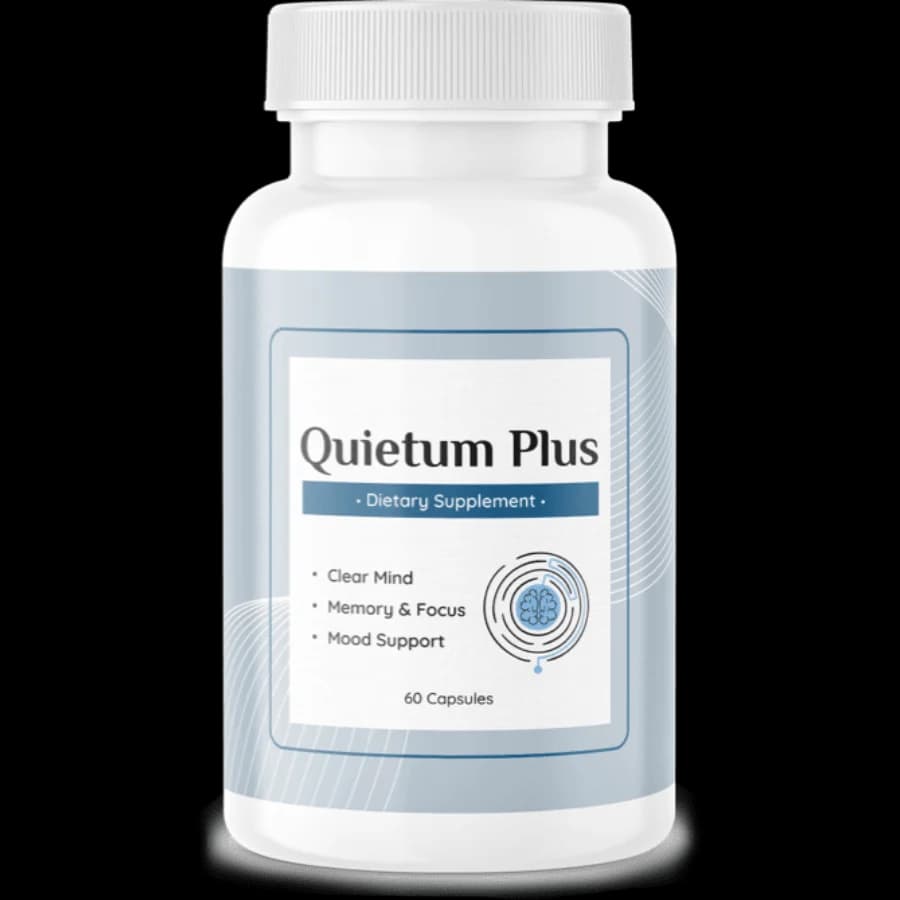
Quietum Plus is the tinnitus-marketed product we have reviewed. These facts come from its official label and policy pages, checked on September 30, 2026.
| Detail | Quietum Plus |
|---|---|
| Format | Capsules, 60 per bottle |
| Daily use | 2 capsules a day with water; the label says to use it for at least 8 weeks, not to exceed 4 capsules a day, and that it is for adult use only |
| Guarantee | 60 days from delivery. Return all bottles with the packing slip; you pay return shipping |
| Notable label facts | The label front reads "Clear Mind, Memory & Focus, Mood Support," with no hearing wording. Zinc 26 mg (236% DV); L-arginine 100 mg; L-tyrosine 100 mg; vitamins A, B1, B3, B5, B6 and B12; BioPerine; and an 802 mg proprietary blend of 12 botanicals, including epimedium, Tribulus terrestris, Mucuna pruriens, maca, ashwagandha and dong quai |
| Sold via | Official site, quietumplus24.com, with orders processed by Digistore24 |
The sales page markets Quietum Plus for ear health and ear ringing, claims to address the "real root cause," and hints that the "tinnitus industry" may take the page down. The label in the bottle talks about mind, memory, focus and mood instead. The two also disagree on who it's for: the sales FAQ says it is designed for all ages and medical conditions, while the label says adult use only and tells anyone under 18, pregnant or nursing women and anyone with a medical condition to consult a physician.
The formula raises questions for anyone buying it for their ears. Several blend herbs are better known from other categories: Mayo Clinic describes horny goat weed (epimedium) as used to improve sexual performance, and the Office of Dietary Supplements notes that Tribulus terrestris is sold on claims about raising testosterone. NIDCD's finding that no supplement has been proven effective for tinnitus applies here too. The 26 mg of zinc is under the 40 mg upper limit on its own but adds up quickly with a multivitamin, and the 100 mg of L-arginine is far below the 2 to 20 grams a day used in the arginine studies ODS describes. The sales page describes the facility as approved by the FDA and the FAQ calls it "FDA accredited"; we found no GMP or made-in-USA statement.
For ingredient-by-ingredient notes, safety details and refund steps, read our Quietum Plus review. If you need a refund, our guide to ClickBank and Digistore24 refunds explains how the process works.
Who should talk to a doctor first
- Anyone whose tinnitus hasn't been checked, especially if it pulses or comes with hearing loss or dizziness. NIDCD's advice is to see your primary care doctor first.
- Anyone under 18, pregnant or nursing, or living with a medical condition, as Quietum Plus's own label says.
- People who take medicine for diabetes, blood pressure, thyroid disease or seizures, sedatives or immunosuppressants, or who have thyroid or autoimmune disorders, if a product contains ashwagandha. NCCIH also reports rare liver injury and says to avoid it during pregnancy.
- People on blood pressure drugs, nitrates or sildenafil, if a product contains L-arginine (Mayo Clinic).
- People on blood thinners, if a product contains ginkgo.
- People taking certain antibiotics, penicillamine or thiazide diuretics, which interact with zinc.
- Anyone whose tinnitus changes after starting a supplement. Mayo Clinic lists some herbal supplements among the substances that can cause or worsen it.
The rest of our hearing-related coverage is in the hearing support category.
Sources
Checked on September 30, 2026. Product facts come from each manufacturer's official pages, linked in the individual reviews.
- NIDCD (NIH) — Tinnitus
- American Tinnitus Association — Is There a Magic Pill?
- American Tinnitus Association — What Is Tinnitus?
- Mayo Clinic — Tinnitus: Symptoms and causes
- Mayo Clinic — Tinnitus: Diagnosis and treatment
- NCCIH (NIH) — Ginkgo: Usefulness and Safety
- NIH Office of Dietary Supplements — Zinc: Fact Sheet for Consumers
- NCCIH (NIH) — Ashwagandha: Usefulness and Safety
- Mayo Clinic — L-arginine
- Mayo Clinic — Dietary supplements for erectile dysfunction: A natural treatment for ED?
- NIH Office of Dietary Supplements — Dietary Supplements for Exercise and Athletic Performance
- FDA — Questions and Answers on Dietary Supplements
- FDA — Dietary Supplement Labeling Guide, Chapter IV: Nutrition Labeling
- FDA — 6 Tip-offs to Rip-offs: Don't Fall for Health Fraud Scams